
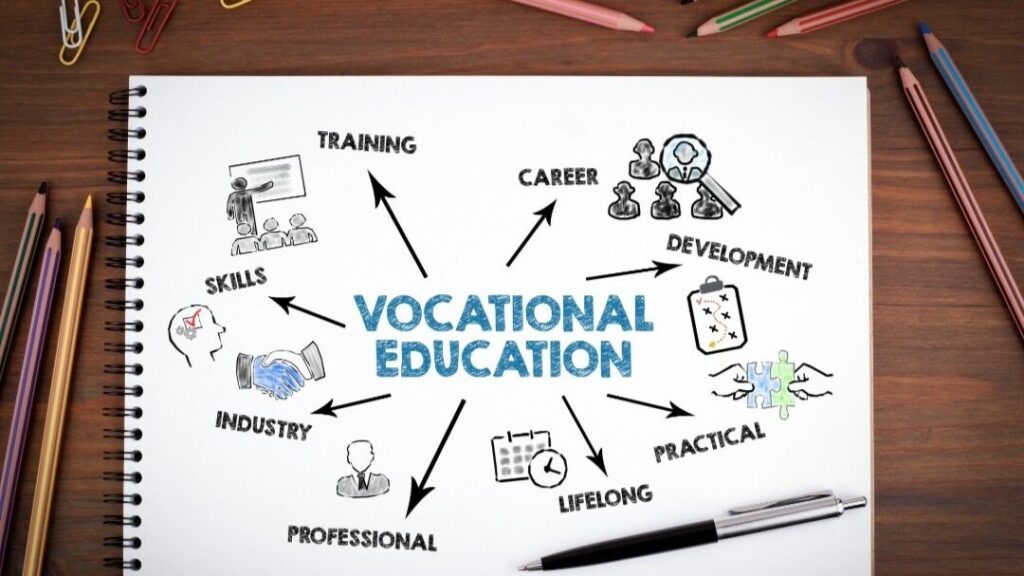
A Skilled Future: Why Technical and Vocational Education and Training Matters More Than Ever
Katie Bevan (May 2026)
There’s a version of the skills crisis conversation that goes like this: there aren’t enough people, there aren’t enough training places, and the gap is only getting wider.
I’d like to tell a different story.
Yes, the UK is facing a well-documented shortage of technical talent. Across construction, energy, manufacturing, and automotive, employers are actively looking for people with the hands-on skills needed to keep things moving. The UK Employer Skills Survey 2024 shows tens of thousands of businesses carrying skill-shortage vacancies — roles that stay unfilled not because people aren’t looking, but because candidates with the right training are hard to find.
But here’s what that data also tells us: this is one of the most significant moments of opportunity for people entering technical and vocational careers in a generation.
Construction alone contributes around £140 billion to the UK economy and is central to delivering the housing, infrastructure, and net-zero projects the country needs. It’s also carrying over 140,000 vacancies. Within that, areas like fenestration — the installation of windows, doors, and glazing systems — are becoming increasingly critical. As buildings are retrofitted and modernised to meet energy performance targets, the demand for skilled specialists in this space is rising sharply. These aren’t peripheral roles. They’re at the heart of how the UK delivers on its commitment to net-zero by 2050.
That matters because it changes the nature of the conversation around vocational education.
For too long, technical and vocational qualifications have been positioned as a second choice — a route taken by people who didn’t make it onto a different path. That framing has always been wrong, and right now it’s also commercially inaccurate. The employers I speak to aren’t struggling to fill graduate roles. They’re struggling to find qualified installers, skilled tradespeople, and technically trained professionals who can operate at the intersection of practical skill and regulatory knowledge.
Qualifications like those offered by GQA Qualifications — covering everything from bricklaying and carpentry to floor coverings and fenestration — are structured, hands-on, and industry-relevant. They allow people to earn while they learn, building real experience alongside recognised credentials. And they open the door to careers that go well beyond the entry level: many of today’s site managers and business owners began as apprentices, finding in technical education the start of something genuinely rewarding.
What’s changed — and what makes this moment feel different — is the alignment between skills demand, policy priority, and economic necessity. The net-zero agenda isn’t abstract anymore. It requires real people with real expertise to install, maintain, and improve the built environment. That’s not a theoretical job description. It’s an urgent national need.
So, if you work in training, skills policy, or workforce development — or if you’re an employer trying to build a pipeline of qualified people — the question worth asking isn’t whether vocational education matters. It’s whether we’re doing enough to position it as the serious, well-supported, economically meaningful career path it actually is.
I think we can do better. And I think the sector is ready to.