
Why Construction Professionals with Health and Safety Knowledge Stand Out
Written by Katie Bevan
Construction has always been about building things properly. Whether it’s a new housing development, a commercial refurbishment or a major infrastructure project, success comes from skilled people doing quality work.
But there is another skill that is becoming just as important across the industry: understanding health and safety.
For many people, health and safety is something they think about when completing mandatory training or preparing for an audit. In reality, it has become a key part of modern construction professionalism and, for those looking to progress their careers, it can provide a genuine competitive advantage.
Construction Is Still One of the UK’s Highest-Risk Industries
Let’s start with the facts.
Despite significant improvements in recent decades, construction remains one of the most dangerous sectors in Britain. According to the Health and Safety Executive (HSE), the industry consistently records one of the highest numbers of workplace fatalities each year.
Falls from height remain the biggest killer, accounting for around a quarter of all fatal workplace accidents. Every year, thousands more workers suffer injuries serious enough to require time away from work.
What’s particularly striking is that behind every statistic is a real person. A colleague, a friend, a parent or a partner whose life has changed forever because of an incident that may have been preventable.
These figures highlight an important reality: health and safety isn’t simply a box-ticking exercise. It exists because risks are real.
The Best Construction Professionals Don’t Just Know Their Trade
Most construction workers take pride in their technical abilities.
A roofer knows how to install roofing systems correctly. A site manager knows how to coordinate projects and people. A supervisor understands how to keep work moving efficiently and maintain quality standards.
However, today’s most valued professionals often bring something extra to the table. They understand not only how to do the job, but how to do it safely.
That’s because accidents rarely happen because someone intentionally ignores safety. More often, incidents occur because hazards go unnoticed, risks are underestimated or procedures are misunderstood.
Health and safety knowledge helps bridge that gap.
It gives workers the ability to identify risks earlier, make better decisions and contribute to safer, more organised worksites.
Safety Knowledge Can Make You More Employable
The construction industry continues to face skills shortages across many occupations.
As a result, employers are increasingly looking for individuals who offer more than basic occupational competence. They want people who can demonstrate professionalism, leadership and an understanding of risk management.
A construction qualification proves you can do the job.
A health and safety qualification shows you understand your responsibilities, can recognise hazards and appreciate the wider impact your decisions can have on a project.
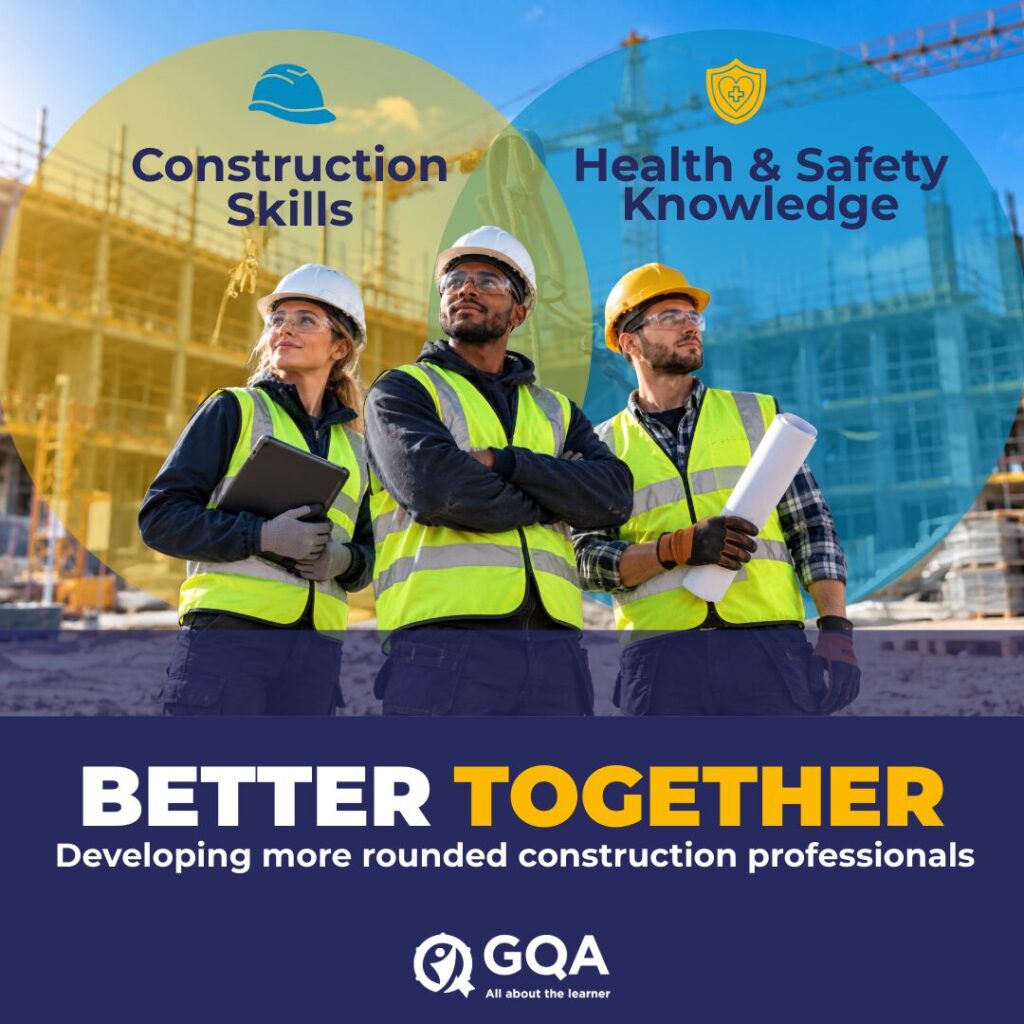
Together, they create a powerful combination.
For employers choosing between two candidates with similar levels of technical experience, additional health and safety knowledge could be the factor that helps one stand out from the crowd.
Why Qualifications Matter
Experience is incredibly valuable in construction, but qualifications remain important too.
They provide recognised evidence of competence and demonstrate a commitment to professional development.
For many experienced workers, NVQs are particularly attractive because they assess skills and competence in a real workplace environment. Rather than relying solely on classroom learning, they allow individuals to demonstrate what they already do on site every day.
At the same time, health and safety qualifications can complement existing trade, supervisory or management qualifications by adding another layer of professional knowledge.
The result is a more rounded skill set that employers, clients and principal contractors increasingly value.
The Industry Is Changing
The construction sector today looks very different from the one that existed twenty or thirty years ago.
Projects are becoming more complex. Regulations continue to evolve. Client expectations are increasing. Digital technologies and new methods of construction are changing how work is planned and delivered.
Alongside these changes, health and safety has become embedded within wider conversations around quality, productivity and professionalism.
The most successful organisations recognise that safe sites are often well-managed sites.
Good planning, clear communication, effective supervision and strong safety practices tend to go hand in hand. When everyone understands their responsibilities and works to agreed procedures, projects are generally smoother, more efficient and more productive.
It’s About More Than Compliance
One of the biggest misconceptions about health and safety is that it’s all about avoiding enforcement action.
Of course, legal compliance is important. Every construction business has responsibilities under health and safety legislation.
But the benefits go much further than simply staying on the right side of the law.
Strong safety awareness can help reduce accidents, minimise disruption, improve workforce morale and increase client confidence.
For individuals, it can also create opportunities for career progression.
Many supervisory, management and leadership roles now require a deeper understanding of health and safety responsibilities than ever before. Having recognised qualifications in both your trade and health and safety demonstrates that you’re prepared for those additional responsibilities.
Investing in Yourself
Construction will always need skilled people.
But increasingly, the professionals who stand out are those who combine practical expertise with strong health and safety knowledge.
Whether you’re a tradesperson, supervisor, site manager or business owner, investing in health and safety training is not just about compliance. It’s about becoming more effective, more employable and more valuable to the organisations you work with.
After all, technical skills may get you onto site, but combining construction knowledge with recognised health and safety competence could help take your career to the next level.
And if that knowledge also helps prevent accidents and ensures everyone gets home safely at the end of the day, that’s