
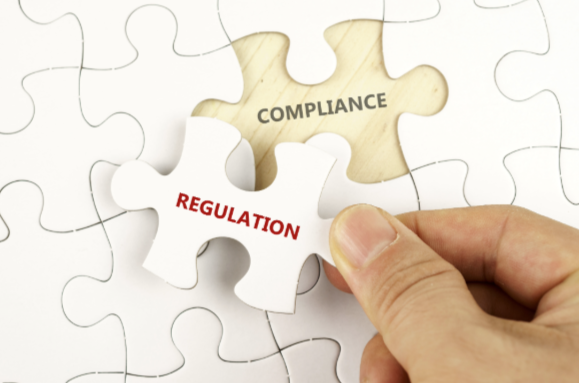
Who Are Ofqual and Why Do Their Rules Matter?
Mark Simpson
Introduction
As an Awarding Organisation, our ability to offer high-quality, nationally recognised qualifications depends on our full compliance with Ofqual’s regulatory requirements. However, this responsibility doesn’t sit with us alone—our approved centres play a crucial role in maintaining the standards that Ofqual expects. By following our policies, procedures and assessment requirements, centres directly support our compliance and help protect the integrity, credibility and recognition of every qualification we deliver. This article explains who Ofqual are, the rules we must follow, and how both the AO and our centres work together to maintain these essential standards.
Ofqual (Office of Qualifications and Examinations Regulation) is the independent regulator for qualifications, exams and assessments in England. Their role is to make sure that qualifications are high-quality, credible and delivered fairly. In short, they ensure that learners, employers and the public can trust the certificates they receive.
What Are the Conditions of Recognition?
To be recognised to offer regulated qualifications, every Awarding Organisation (AO) must comply with Ofqual’s General Conditions of Recognition (GCoR). These conditions set out the rules for how an AO must operate, covering areas such as:
- Governance and Integrity – ensuring robust leadership, transparency and impartiality.
- Qualification Design – making sure qualifications are valid, fit for purpose and assess what they claim to assess.
- Assessment Delivery – requiring secure, reliable and fair assessment methods.
- Centre Management – ensuring AOs monitor their approved centres effectively.
- Data, Records and Reporting – including accurate certification, timely notifications and incident reporting.
- Managing Risk and Malpractice – having systems to prevent, detect and respond to issues.
These conditions apply continuously, not only at the point of recognition.
What Powers Does Ofqual Have?
Ofqual has significant regulatory powers to make sure AOs meet the GCoR. These include:
- Audits and Reviews – inspecting systems, documentation and processes.
- Compliance Notices – requiring corrective action where issues are identified.
- Directions – instructing an AO to take (or stop) specific actions.
- Monetary Penalties – imposing fines for non-compliance.
- Restriction of Activities – limiting qualifications, withdrawals or centre approvals.
- Withdrawal of Recognition – removing an AO’s ability to offer regulated qualifications.
These powers ensure the integrity of the qualifications system and protect learners.
Our Responsibilities as an Awarding Organisation
To maintain recognition, we must demonstrate full and ongoing compliance with every relevant aspect of the GCoR. This means:
- Maintaining clear governance structures and accountability
- Ensuring every qualification we offer meets Ofqual’s standards
- Monitoring centres effectively and intervening where necessary
- Managing risks, malpractice and conflicts of interest
- Keeping accurate records and reporting issues promptly
Compliance isn’t a one-off task—it’s core to how we operate every day.
Approved Centres: Your Role in Maintaining Compliance
Our centres play a vital role in meeting the GCoR. To continue delivering our qualifications, centres must:
- Follow our policies, procedures and assessment requirements
- Ensure assessors and IQAs are competent and appropriately trained
- Keep accurate learner evidence and records
- Manage assessment integrity, security and authenticity
- Report incidents, concerns and potential malpractice immediately
- Cooperate fully with monitoring visits, audits and quality reviews
By complying with our requirements, centres help ensure we remain compliant with Ofqual—and that learners continue to benefit from high-quality, nationally recognised qualifications.
Working Together to Maintain Excellence
Regulation exists to protect learners and uphold confidence in the qualifications system. By working collaboratively—Ofqual, the Awarding Organisation and our approved centres—we ensure that every certificate represents learning that is meaningful, fair and trustworthy.